Managing Technical Debt in Enterprise Systems
Strategies for identifying, quantifying, and systematically reducing technical debt.
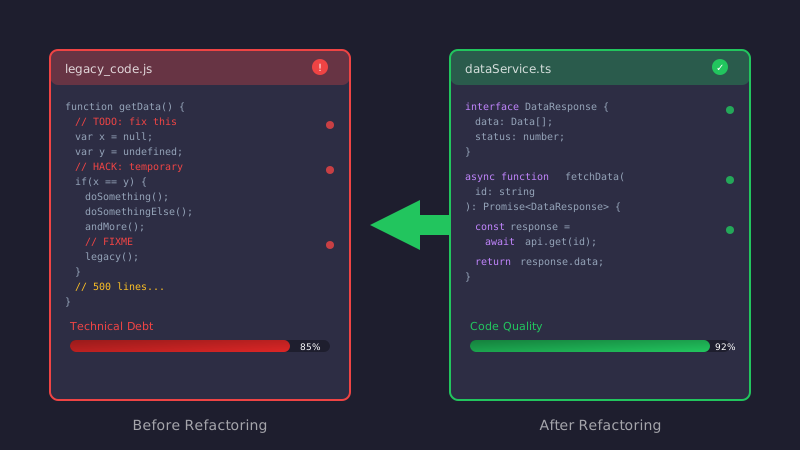
Every software system accumulates technical debt over time. The question isn't whether you have debt, but how you manage it. In enterprise environments, unmanaged technical debt can severely impact velocity, quality, and developer morale.
Understanding Technical Debt
Technical debt isn't inherently bad. Like financial debt, it can be used strategically:
Deliberate Debt
Taking shortcuts to meet deadlines, with plans to address later. Acceptable if managed.
Accidental Debt
Debt accumulated due to inexperience or changing requirements. Common and requires ongoing attention.
Bit Rot
Systems degrade over time as dependencies become outdated and context is lost.
Identifying Technical Debt
Code Metrics
Cyclomatic complexity, code duplication, and test coverage provide quantitative signals.
Developer Feedback
Regular team retrospectives surface pain points. Developers know where the problems are.
Incident Analysis
Production issues often reveal underlying technical debt.
Dependency Audits
Outdated or unmaintained dependencies are a form of debt.
Quantifying Impact
Technical debt is often hard to quantify, but you can measure its effects:
- **Velocity Trends**: If velocity is declining, debt may be accumulating
- **Bug Rates**: Increasing bug rates in specific areas indicate debt
- **Onboarding Time**: Long onboarding suggests complexity and documentation debt
- **Deploy Frequency**: If deploys are risky and infrequent, you have debt
Reduction Strategies
The Boy Scout Rule
Leave code better than you found it. Small, continuous improvements add up.
Dedicated Time
Allocate a percentage of sprints to debt reduction. 20% is a common starting point.
Debt Sprints
Occasional focused sprints on high-impact debt items.
Refactoring as Part of Feature Work
When building new features, refactor adjacent code that needs it.
Prioritization Framework
Not all debt is equal. Prioritize based on:
**Pain**: How much is this debt slowing the team? **Risk**: What's the risk of not addressing it? **Opportunity**: Will fixing it enable new capabilities? **Cost**: How much effort is required?
Communication with Stakeholders
Technical debt can be hard to explain to non-technical stakeholders:
Use Business Language
Frame debt in terms of risk, velocity, and quality - not technical details.
Show Trends
Visualize how debt is impacting delivery over time.
Tie to Outcomes
Connect debt reduction to business outcomes like faster time-to-market.
Tools and Practices
Static Analysis
Tools like SonarQube continuously measure code quality.
Architecture Decision Records
Document decisions to prevent future confusion.
Dependency Management
Renovate or Dependabot automate dependency updates.
Documentation
Keep documentation current. Outdated docs are debt.
Conclusion
Technical debt management is an ongoing practice, not a one-time effort. Build it into your team's culture and processes for sustainable long-term velocity.
Want to discuss this topic?
Schedule a call with our engineering team to explore how these concepts apply to your project.